Dental Crowns Oxnard CA for Cracked and Damaged Teeth
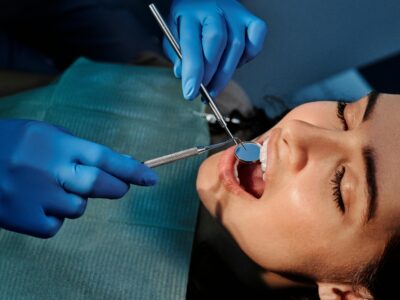
A cracked tooth rarely announces itself in a dramatic way. More often, it starts with a bite that feels slightly off, a sharp zing when chewing on something firm, or a temperature sensitivity that lingers longer than it used to. Patients often tell me the same thing in different words: “I thought it would settle down.” Sometimes it does not. When enamel gives way, the tooth loses its natural reinforcement, and small problems can turn into painful, expensive ones if they are ignored.
That is where crowns become important. For many cracked and damaged teeth, a crown is not a cosmetic extra. It is structural treatment. It wraps the remaining tooth, redistributes pressure, and helps protect what is still healthy. If you have been researching Dental Crowns Oxnard CA, the key question is not simply whether a crown can make the tooth look better. The real question is whether the tooth can still be saved, and if so, what type of crown gives you the best chance of long-term function.
Why cracked and damaged teeth need more than a filling
A filling works well when the damage is limited and the tooth still has enough sound structure to support normal biting forces. Once a crack extends deeper, or a large portion of the tooth is missing, a filling can become the wrong tool for the job. Fillings sit within the tooth. Crowns cover and reinforce it.
Think about what back teeth go through in an average day. Grinding, clenching, ice chewing, stale bread, nuts, hard protein bars, even absentminded jaw tension during traffic on the 101, all of it adds up. Molars take tremendous pressure. If one cusp is fractured or the tooth wall has been weakened by an old large filling, every bite can spread the damage further. A crown reduces that flex.
This distinction matters clinically. A tooth with a small chip near the edge may need bonding. A tooth with a fractured cusp and a large existing filling often needs a crown. A tooth with a vertical root fracture may not be savable at all. The treatment depends on where the crack is, how deep it goes, whether the nerve is involved, and how much healthy tooth remains above the gumline.
What a dental crown actually does
A crown is a custom-made cap that fits over a prepared tooth. It restores shape, strengthens the tooth, and allows you to chew more normally again. Good crowns do two jobs at the same time. They protect the tooth biologically, and they restore it mechanically.
That balance is important. A crown must seal the tooth well enough to reduce bacterial leakage. It also has to be designed with a bite that does not overload the tooth or the jaw. Patients tend to focus on shade and appearance, which makes sense, especially for front teeth. Dentists spend just as much time thinking about margins, contact points, thickness, material strength, and how your teeth meet when you close.
A well-made crown should feel unremarkable once you adapt to it. That is usually the goal. You do not want to think about it every time you eat.
Signs a tooth may need a crown after damage
Not every sore tooth needs full coverage, but certain patterns raise concern. Sometimes the damage is obvious, such as when a corner breaks off while eating. Other times the signs are subtle, especially with hairline cracks.
Here are common clues that a crown may be part of the solution:
- Pain when biting down or releasing pressure
- A tooth with a large old filling that now feels weak
- A visible crack, fracture, or missing cusp
- Recurrent decay around a heavily restored tooth
- A tooth that has had root canal treatment and needs protection
A root canal-treated tooth deserves special mention. Once the nerve is removed, the tooth can become more brittle over time, especially if much of its structure was already lost to decay or previous work. In many cases, a crown is recommended afterward because the tooth is alive in your mouth but no longer reinforced in the same way internally.
The difference between a chipped tooth and a cracked tooth
Patients often use these terms interchangeably, but from a treatment standpoint they are not the same. A chip usually involves a piece of enamel breaking away, often at the edge of a front tooth or a cusp of a back tooth. Depending on size, that may be repaired with smoothing, bonding, an inlay, or a crown.
A crack is more concerning because it can travel through the tooth. Some cracks stay confined to enamel. Others extend into dentin, toward the nerve, or below the gumline. A cracked tooth may hurt only under pressure, then feel fine at rest. That on-and-off pattern is easy to dismiss, which is why people sometimes wait months before coming in.
The challenge is that cracks do not heal like bone. Enamel does not knit itself back together. Once a crack exists, treatment focuses on stabilizing the tooth and preventing extension. In practical terms, that often means a crown if the tooth is still restorable.
How dentists evaluate whether a crown is the right choice
A proper evaluation goes beyond looking at the tooth with the naked eye. In a typical exam, the dentist checks the bite, probes around the gums, looks for isolated deep pockets that could suggest a fracture extending downward, takes radiographs, and may use bite tests or magnification. Sometimes cold testing helps determine whether the nerve is inflamed.
There is also a judgment call that experience sharpens. Two teeth can look similar on an X-ray and still have different prognoses. One may have a superficial crack and good ferrule, meaning enough healthy tooth remains above the gumline to support a crown. Another may have damage running too far below the bone level, where even an excellent crown cannot create reliable long-term stability.
This is where expectations need to be honest. A crown can be highly successful, but it is not magic. If the crack has already compromised the root, the tooth may continue to fail despite treatment. Patients appreciate that candor, especially when deciding whether to invest in saving the tooth or move toward extraction and replacement.
Materials matter, but so does the tooth underneath
When people search for Dental Crowns Oxnard CA, they are often comparing materials, trying to determine whether zirconia, porcelain, or another option is “best.” The better question is best for what situation.
For visible front teeth, appearance tends to drive material selection. For heavy grinders, strength may take priority. For back teeth with limited space, the material must fit the realities of the bite. There is no single champion in every case.
A simple comparison helps:
| Crown material | Common strengths | Possible trade-offs | |---|---|---| | Porcelain or ceramic | Natural appearance, good for visible teeth | May be less ideal in high-force situations depending on design | | Zirconia | Strong, durable, often used on molars | Esthetics can be less lifelike in some cases | | Porcelain fused to metal | Proven track record, combines strength and esthetics | Metal margin may show over time near the gums | | Gold or high noble alloy | Excellent fit and longevity, gentle on opposing teeth | Noticeable color, less popular for visible areas |
The material matters, but it is only one part of the result. A beautifully fabricated crown on a tooth with poor preparation, active gum inflammation, or unresolved decay is still a problem waiting to surface.
What the crown process usually looks like
For a standard crown, the process often takes two visits, although some offices offer same-day technology for selected cases. The first appointment usually involves removing decay or old restorative material, shaping the tooth, taking an impression or digital scan, and placing a temporary crown. The final crown is cemented at a later visit after fit, bite, and appearance are checked.
Same-day crowns can be convenient, but convenience is not the only measure. Some cases are ideal for in-office milling. Others benefit from a skilled dental lab, especially when shade matching is complex or the tooth has unusual contours. Patients sometimes assume newer is automatically better. In practice, the best method is the one suited to your tooth, your bite, and the demands placed on the restoration.
One practical point worth mentioning is the temporary crown. It is easy to underestimate its importance. Temporaries protect the prepared tooth, keep neighboring teeth from shifting, and give the dentist information about shape and bite. If a temporary breaks or comes off, call the office rather than waiting it out. A few days can make a difference in how the final crown fits.
When a crown is urgent, and when it can wait a little
Not every cracked tooth needs same-day treatment, but some situations deserve prompt attention. If a piece of the tooth has broken off, if the pain is increasing, if cold sensitivity lingers, or if swelling develops, delaying evaluation is Dental Crowns Oxnard CA risky. Infection, nerve involvement, or further fracture may be developing.
On the other hand, a stable tooth with an old filling and a small visible fracture line may allow for thoughtful planning over a short period. That does not mean putting it off indefinitely. It means making a timely decision before the crack worsens under routine chewing.
I have seen plenty of cases where someone felt “almost no pain,” then bit on a seed or crust a week later and split the tooth enough to change the treatment plan completely. Crowns are often about preserving options while the tooth is still savable.
Cost, value, and the hidden expense of waiting
Crown fees vary based on material, complexity, whether a buildup is needed, whether root canal therapy is involved, and regional practice factors. It is reasonable for patients to ask detailed financial questions. They should. But it helps to evaluate cost Dental Crowns Oxnard CA in sequence, not in isolation.
A tooth that needs a crown today may need a root canal and crown later if treatment is delayed. If the tooth fractures beyond repair, the conversation can shift to extraction, grafting, implant placement, and a final implant crown. That is a very different financial path.
Value also includes comfort and reliability. A crown that protects a key chewing tooth for many years often saves frustration that does not show up neatly on a treatment estimate. Eating on one side, avoiding certain foods, waking up with sensitivity, or dealing with a temporary repair that keeps failing has its own price.
How long crowns last in real life
Patients often want a precise lifespan. Dentistry does not work that way. Crowns can last well over a decade, and some last much longer, but no restoration comes with a universal expiration date. Longevity depends on hygiene, bite forces, clenching, material, diet, margin quality, and how much natural tooth was left to support the crown.
A crown on a patient who wears a night guard, keeps regular cleanings, and has stable gums generally has a better outlook than the same crown in a heavy grinder who skips maintenance and chews ice. Cement can wash out. Decay can recur at the edge. The crown itself may stay intact while the tooth beneath develops problems.
That is why follow-up matters. A crown is not “done forever” just because it feels fine.
The role of bite forces, grinding, and night guards
Oxnard patients are no different from anyone else in this respect. Stress shows up in teeth. Clenching during sleep or even during focused work can generate impressive force, often without the person knowing it. Repeated pressure can crack natural teeth and shorten the life of restorations.
If a dentist recommends a night guard after crown placement, it is usually not an upsell. It is protective equipment. For patients with flattened teeth, wear facets, jaw soreness, or a history of broken fillings, a custom guard can meaningfully reduce overload.
This matters even more when the cracked tooth was likely caused by force rather than decay. If the original problem came from grinding, fixing the tooth without addressing the habit leaves the new crown facing the same environment that damaged the old one.
Front teeth and back teeth are different conversations
Crowning a front tooth is often an esthetic and structural decision at once. Shade, translucency, edge shape, and how the crown blends with neighboring teeth matter immensely. People notice small differences in the front. Light reflects differently there, and even a strong crown can look unnatural if the details are off.
Back teeth are judged more by function. The crown needs to withstand force, maintain proper contacts so food does not pack between teeth, and fit the bite cleanly enough that it does not trigger soreness or high spots. A molar crown can look perfectly acceptable and still fail functionally if the occlusion is not right.
This is one reason treatment planning should never be one-size-fits-all. The ideal crown for a lower molar is not necessarily the ideal crown for an upper central incisor.
Caring for a new crown without overthinking it
Once the permanent crown is cemented, most people can return to normal habits quickly, although numbness and mild tenderness are common right after placement. If the bite feels noticeably high once the anesthetic wears off, do not try to “wait it out” for weeks. A small adjustment can prevent irritation in the tooth, ligament, and jaw muscles.
Day-to-day care is straightforward:
- Brush thoroughly along the gumline
- Floss carefully and consistently
- Avoid using teeth as tools to open packaging
- Wear a night guard if prescribed
- Keep recall visits so margins and bite can be checked
Patients sometimes assume a crowned tooth cannot decay because it is covered. That is not true. The crown itself will not get a cavity, but the tooth at the edge of the crown still can. Plaque collects where restoration meets tooth, especially if flossing is inconsistent or gum inflammation is present.
Questions worth asking before you commit
Good treatment decisions come from good conversations. A patient considering a crown should understand not just the plan, but the reasoning behind it. Ask whether the crack appears limited or extensive. Ask whether the nerve is likely to calm down or may still need root canal treatment later. Ask what material is being recommended and why. Ask what happens if you postpone treatment for six months.
Those questions do not make you difficult. They make you informed.
It is also worth asking about prognosis in plain language. Some teeth are excellent crown candidates. Others are more guarded because of deep cracks, limited remaining tooth structure, or heavy occlusal stress. A thoughtful dentist should be able to explain where your case falls on that spectrum.
Choosing care locally in Oxnard
When looking for Dental Crowns Oxnard CA, convenience matters, but it should not be the only factor. A crown is a custom restoration that depends on diagnosis, preparation design, tissue health, bite analysis, and follow-through. Location helps with logistics, especially if a temporary comes loose or an adjustment is needed, but technical quality matters more over the long haul.
Look for an office that is willing to explain options clearly, show you the fracture or damage if possible, and discuss alternatives honestly. Sometimes the alternative is a filling. Sometimes it is an onlay. Sometimes the right advice is that the tooth is not a good candidate for a crown at all. Honest recommendations tend to sound measured, not rushed.
Reviews can be useful for understanding communication style and office experience, but they do not replace a clinical exam. The tooth decides more than the marketing does.
When saving the tooth is still the best outcome
There is a tendency in some corners of dentistry to talk as if implants have made tooth preservation less important. Implants are valuable, but they are not upgrades over healthy natural teeth. If a cracked or damaged tooth can be predictably restored with a crown, preserving it is often the better path.
Natural teeth provide proprioception, that subtle sensory feedback that tells you how hard you are biting. They maintain their own attachment system. They can function beautifully for years with the right support. A well-executed crown on a restorable tooth is often a very practical, conservative treatment.
The hard part is timing. If you wait until the crack extends too far, that option can disappear. A tooth that could have been stabilized with a crown may become a tooth that needs extraction.
For people in Oxnard dealing with pain when chewing, a broken cusp, an aging large filling, or a tooth that has already had root canal therapy, a crown is often less about appearance than about preserving function before the damage advances. When the case is diagnosed carefully, the material is chosen thoughtfully, and the bite is adjusted precisely, crowns can do exactly what they are meant to do: protect vulnerable teeth and keep them working comfortably for the long term.
Omni Dental Specialty
1690 E Gonzales Rd
Oxnard, CA 93036, United States
Phone: +1 805-410-9603
FAQ About Dental Crowns Oxnard CA
What is the average cost of a crown in California?
The fee depends on the crown material, tooth condition and any additional treatment. Request an itemized estimate from Omni Dental Specialty after an examination, and confirm insurance benefits before scheduling.
How long do dental crowns last?
Longevity varies with the material, fit, oral hygiene and biting habits. Regular dental reviews help identify wear, damage or decay. A crown does not need replacement solely because it reaches a particular age.
Do teeth go bad under crowns?
Decay can develop in the remaining natural tooth, particularly near the crown margin. Brush with fluoride toothpaste, clean between teeth daily and keep dental appointments. Report new pain or looseness promptly.
Which crown is best for bruxism?
No material suits everyone. Your dentist assesses grinding, tooth position, bite forces and appearance before recommending a crown. A protective appliance may also be recommended to manage stress on the restoration.